
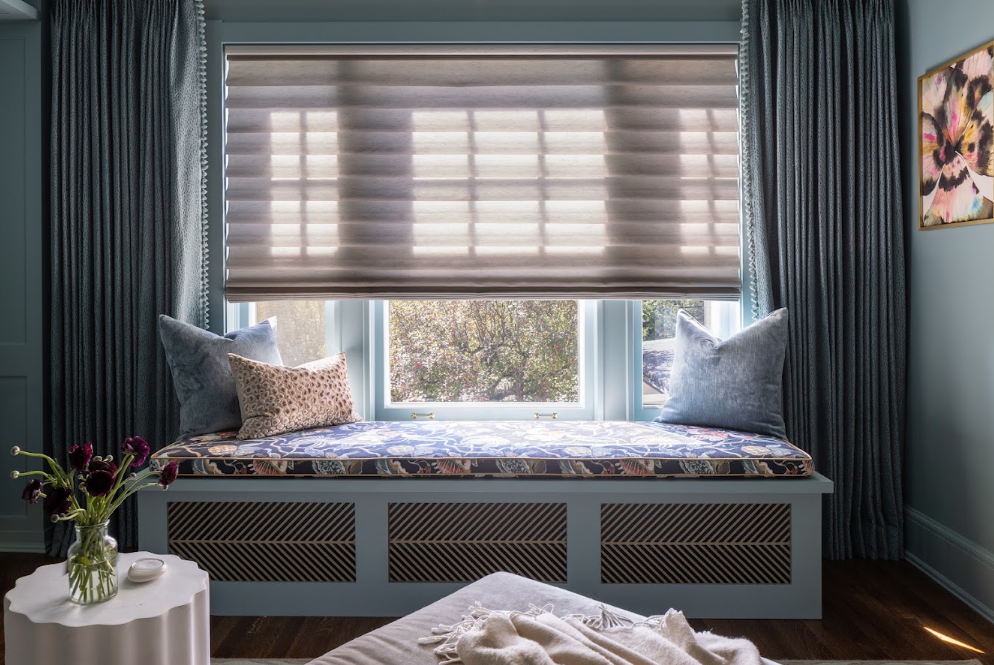
October is Window Covering Safety Month, and custom window coverings are now more than two years past free-hanging cords. Since June 2024, the industry’s safety standard has eliminated free-hanging operating cords, tilt cords, and multi-cord connectors on custom products, a shift the industry estimates covers more than 95% of window coverings sold in the U.S.
Our team recently sat in on a cord safety webinar together, and staying current on these changes is part of the job. Our treatments don’t use free-hanging cords. That part of the conversation is settled.
What interests us now is everything else. Custom window treatments protect a home in ways that rarely come up in a design presentation, and each one gives you something concrete to offer your client.
Hardware that holds the weight
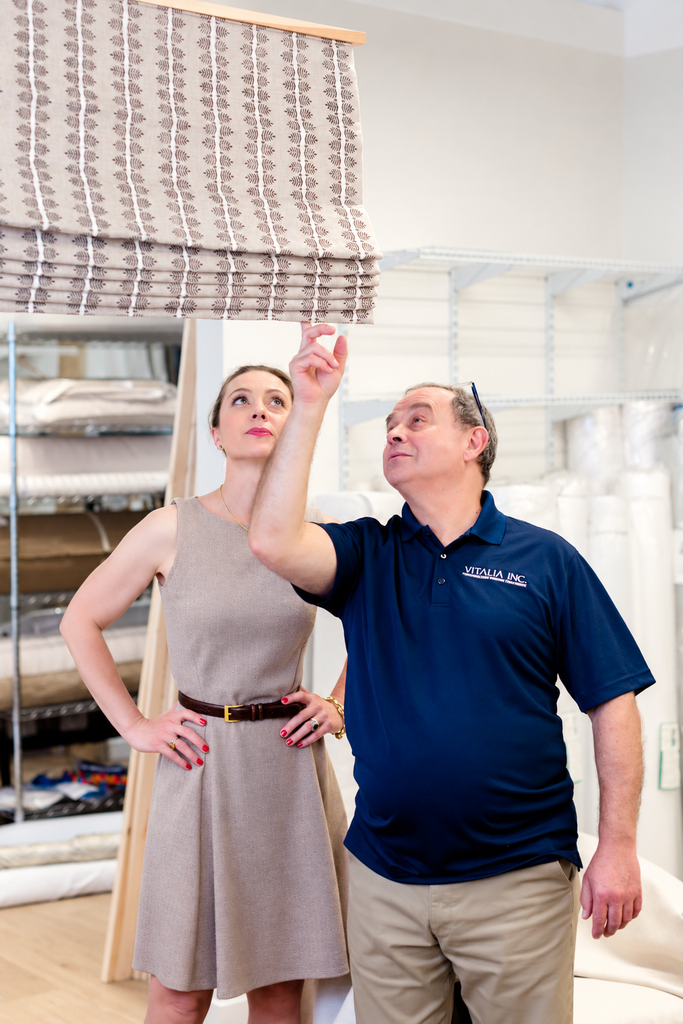
Lined and interlined drapery is heavy, and a full-height panel across a wide opening puts real load on whatever carries it. We specify tracks built for that weight and fabricate each panel knowing what the track has to bear. The drapery you specified keeps hanging and gliding the way you drew it, and you don’t get the call about a track that couldn’t keep up.
Treatments that hold up to little hands
Children test everything, and window treatments are no exception. We often get calls about Roman shades damaged by children who pulled at them because they were hard to operate. Automated and smooth cordless systems remove the struggle. When a shade rises at the touch of a button, there’s nothing to wrestle with. For a family home, that means fewer repairs and a treatment that still works the way you designed it.
Protection for the room you designed
Sun damage builds slowly. Hardwood floors fade, rugs lose their color, and upholstery, art, and antiques age faster in strong light. Custom window treatments filter UV and shield the pieces you spent a project choosing. Automation closes the shades or drapery before the light reaches them, so the finished room still looks like your work long after the install photos are taken.
Security your client didn’t know to ask for
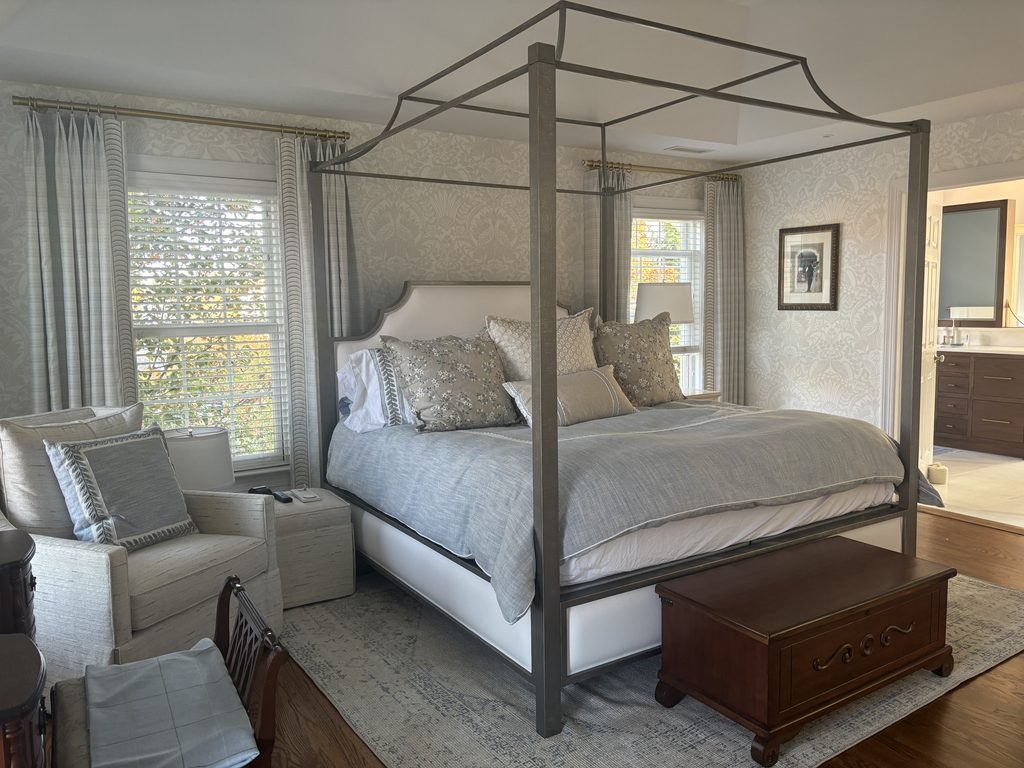
Programming helps with security too. Shades and drapery can open and close on a schedule, so a house looks occupied while the family travels, and privacy is in place at dusk without anyone walking from room to room. Clients rarely think of window treatments as part of home security, which makes this a point only you will bring up.
Windows no one should have to reach
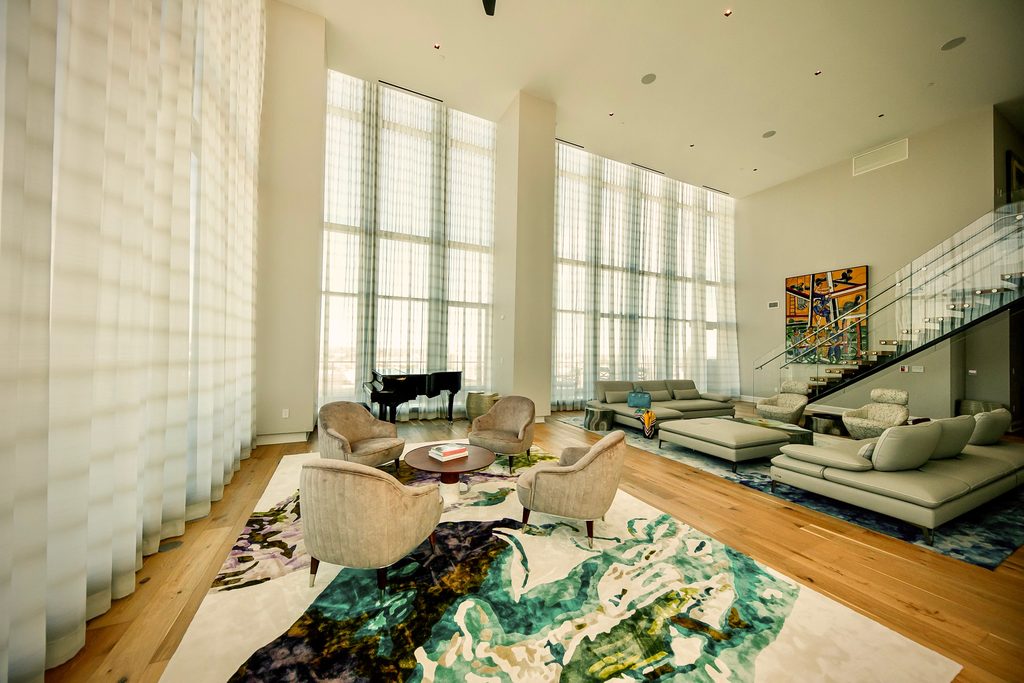
Stairwell windows, clerestories, and tall arched openings are hard to operate by hand, and that usually means a ladder. Automated treatments run from a remote, an app, or a schedule, so your client never climbs for a shade. It also means you can specify the dramatic window without worrying about how anyone will live with it.
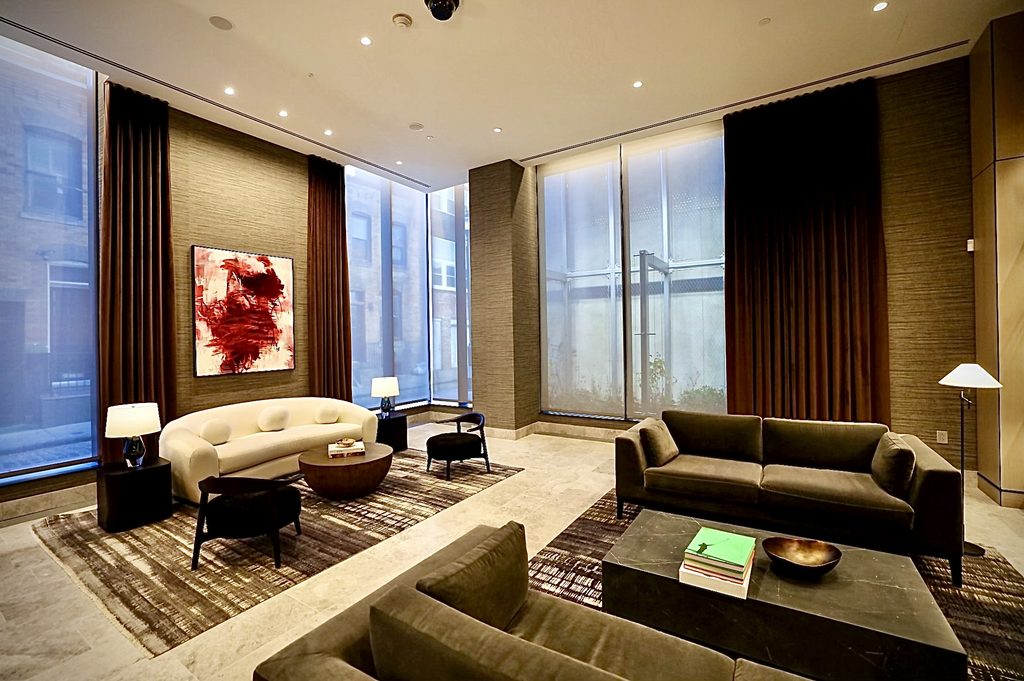
Designers, how are you talking with clients about safety beyond cords? If a project calls for protected finishes, secure privacy, and drapery built to carry its own weight, inquire today and let’s plan it together.

